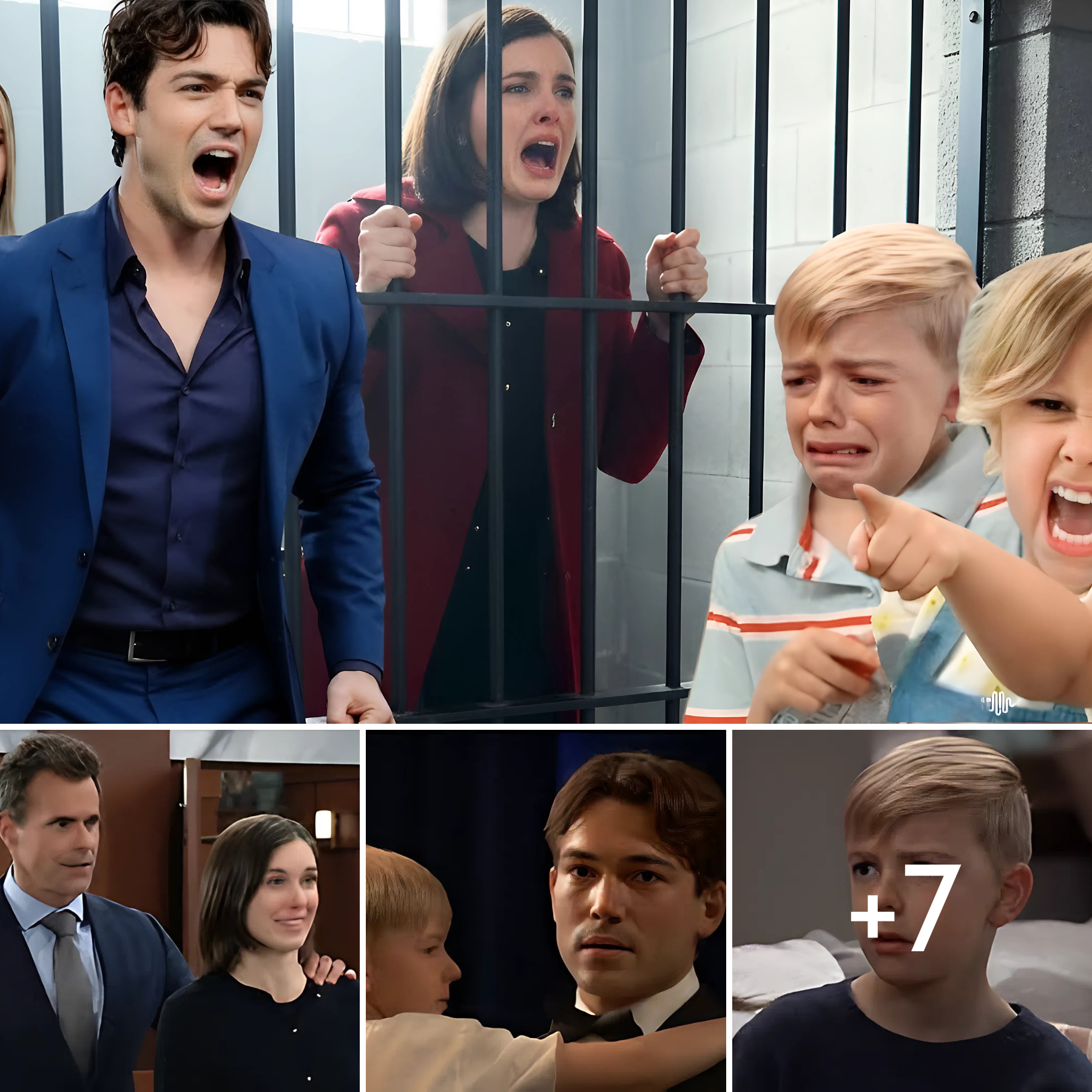
Willow Behind Bars for Drew’s Murder — Michael Lets Willow See the Kids!
Willow Behind Bars for Drew’s Murder — Michael Lets Willow See the Kids!
General Hospital Spoilers
ABC General Hospital spoilers reveal a powerful shift in Port Charles as Michael Corinthos makes a decision that no one saw coming—one that blurs the line between justice and mercy. With Drew Cain no longer pulling strings from the shadows, Michael begins to reconsider the ironclad stance he once held against Willow Kane having any contact with their children.
For months, Michael’s resistance was never truly about Willow alone. It was about Drew. Michael refused to allow Wy and Amelia anywhere near a man he believed manipulated, lied, and emotionally harmed his family. As long as Drew remained an active force, visitation was non-negotiable. But everything changes when Drew is incapacitated, stripped of his voice, power, and influence after his devastating stroke. Suddenly, the obstacle Michael feared most is gone.
Behind bars and facing the weight of her actions, Willow becomes desperate for one thing that still anchors her—her children. Michael knows how deeply Wy and Amelia miss their mother, and the separation has taken a visible toll. When the reality sinks in that Willow could end up serving time, Michael begins exploring supervised prison visitation programs, quietly preparing for a future where the kids might only see their mother through glass and under watchful eyes.
Even after Willow is cleared in court, Michael recognizes that Drew’s presence would still poison any arrangement. And that realization explains Willow’s shocking next move—one that leaves Drew gravely ill and permanently silenced. With Drew no longer able to manipulate or even speak, Michael no longer fears his influence over the children. Drew once hurt Wy with lies and control, but now that threat is gone.
This opens the door to a fragile compromise. Michael agrees to supervised visits, not as forgiveness, but as recognition that Willow is still their mother. The first visit is emotionally charged—Willow barely holding herself together as she sits across from her children, hands trembling, listening more than speaking. Wy and Amelia ask the hardest questions: Why weren’t you here? Are you staying this time? There are no easy answers, only painful honesty.
Michael watches from a distance, torn apart by conflicting emotions. He sees the kids smile, laugh, and reconnect with Willow, and it hurts just as much as it heals. This moment forces Michael to confront who he wants to be as a father. He refuses to repeat the Corinthos legacy of control, manipulation, and conditional love. Choosing kindness feels risky—but necessary.
Around them, Port Charles buzzes. Some believe Michael is being too soft. Others quietly admire his resolve. Nina cautiously supports the decision, while Carly remains watchful, torn between suspicion and respect. Social workers, lawyers, and therapists step in, ensuring every move is accountable and every visit earned.
For Willow, this is not a victory—it’s a test. She understands this chance can vanish the second she slips. Therapy becomes mandatory, brutal, and transformative. She must finally face how fear, guilt, and outside pressure led her down a dark path. Slowly, perceptions begin to shift as Willow proves she’s trying to change—not with courtroom theatrics, but with consistency.
Michael makes one thing painfully clear: this is not a reunion. The door to reconciliation is closed. This is about co-parenting, boundaries, and protecting the kids at all costs.
As Drew’s downfall ripples through Port Charles, his absence exposes truths long buried. Power dynamics shift. Old wounds reopen. And Willow’s first visit becomes a mirror for everyone—revealing how fragile hope is, how heavy mercy can feel, and how dangerous kindness looks in a town built on suspicion.
General Hospital sets the stage for an emotionally volatile new chapter where every visit counts, every choice matters, and the real question isn’t whether Willow deserves this chance—but whether everyone involved can survive the consequences of giving it.