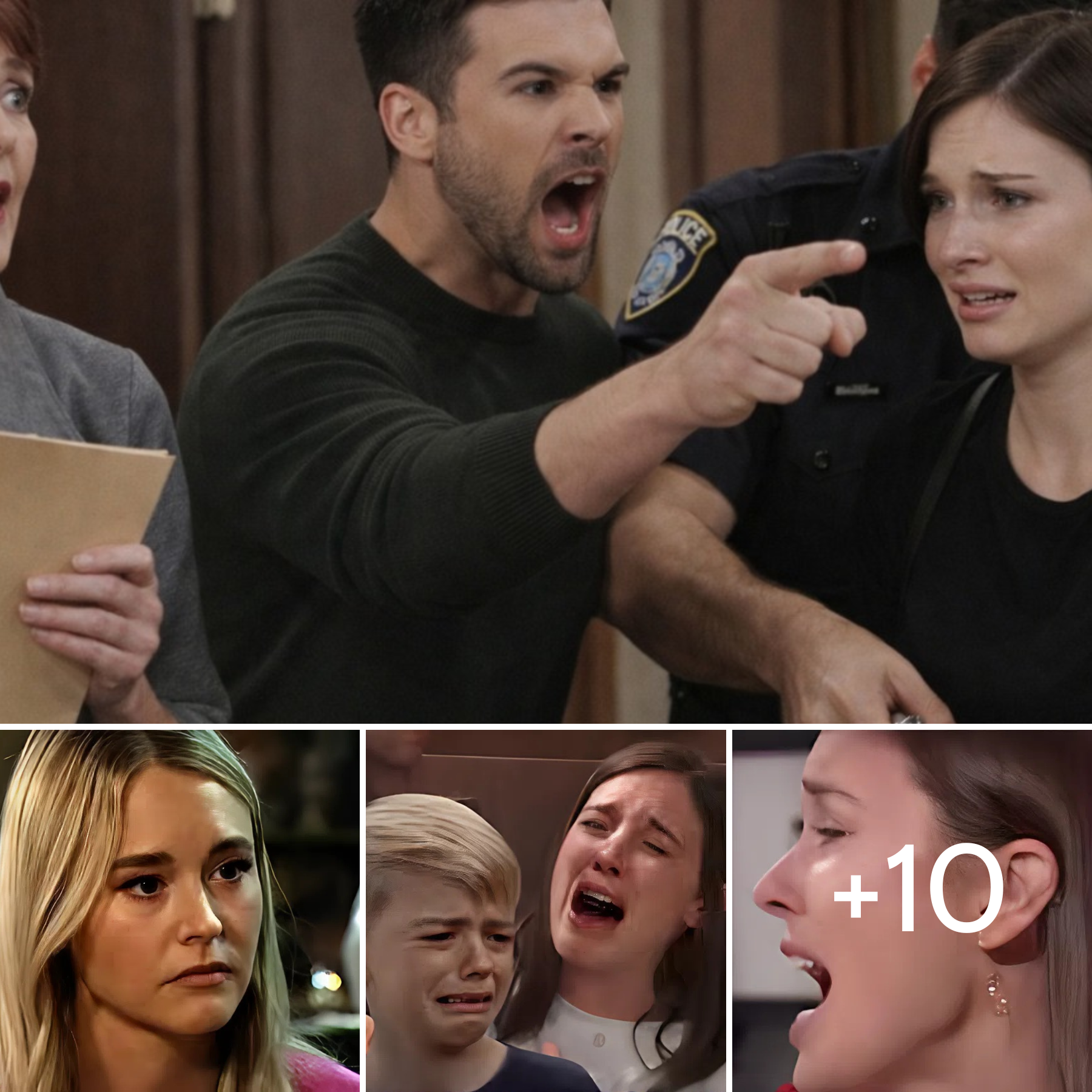
Chase Is Likely Just A Decoy That Diane Used To Get Willow Imprisoned
General Hospital Movie Spoiler: Diane’s Master Plan — Was Chase Just a Pawn to Send Willow to Prison?


In the explosive General Hospital movie adaptation of General Hospital, one of the most shocking twists centers on Diane’s courtroom strategy — and the unsettling possibility that Harrison Chase was never meant to win.
As the story unfolds, Willow finds herself at the center of a legal nightmare that spirals far beyond what anyone in Port Charles anticipated. Accusations mount, alliances fracture, and the courtroom becomes a battleground of manipulation rather than justice. At first glance, Chase appears to be stepping up as a key defender — determined, emotional, and deeply invested in protecting Willow from devastating consequences. But as the film peels back its layers, a darker theory begins to take shape.
Diane, ever the sharp and calculating attorney, may have been playing a far more complex game than anyone realized.
Throughout the trial sequences, Diane’s moves feel deliberate — almost too deliberate. Critical objections are raised at peculiar moments. Evidence is introduced in ways that leave small but dangerous openings. And while Chase passionately argues Willow’s innocence, subtle missteps in the defense strategy create cracks that the prosecution is quick to exploit. What initially seems like human error starts to look suspiciously strategic.
The film hints that Chase’s role in the courtroom might have been less about saving Willow and more about distracting everyone from Diane’s real objective. By positioning Chase as the visible face of Willow’s defense, Diane could maneuver behind the scenes, controlling the narrative while avoiding direct scrutiny. The emotional intensity Chase brings to the case makes him the perfect lightning rod — drawing attention, sympathy, and even blame.
Meanwhile, Diane operates with chilling precision.
As tension builds, viewers begin to question whether the supposed mistakes were actually calculated sacrifices. Key witnesses falter. A technicality that could have freed Willow goes unchallenged. And when the verdict finally arrives — sending Willow to prison — Diane’s reaction is almost unreadable. Not shock. Not devastation. Something closer to quiet acceptance.
The movie suggests that imprisoning Willow may have served a larger, hidden purpose. Whether it was part of a broader power play in Port Charles or a strategic move to protect someone even more valuable remains ambiguous. What’s clear is that Chase appears blindsided by the outcome. His devastation feels real, raw, and painfully authentic — which only fuels the theory that he was never fully aware of Diane’s deeper plan.
The emotional fallout is immediate. Relationships shatter under the weight of betrayal. Chase grapples with guilt, believing he failed the woman he tried to save. Willow faces incarceration while questioning who she can truly trust. And Diane stands at the center of it all — composed, unreadable, and possibly victorious.
By the film’s end, one haunting question lingers: Was Chase a hero who stumbled under pressure, or was he carefully positioned as a decoy in Diane’s master scheme?
If the hints are to be believed, Diane may have orchestrated the entire courtroom collapse — using Chase’s loyalty and emotional investment as camouflage to ensure Willow’s conviction.
In Port Charles, justice isn’t always about innocence or guilt.
Sometimes, it’s about who’s really pulling the strings.