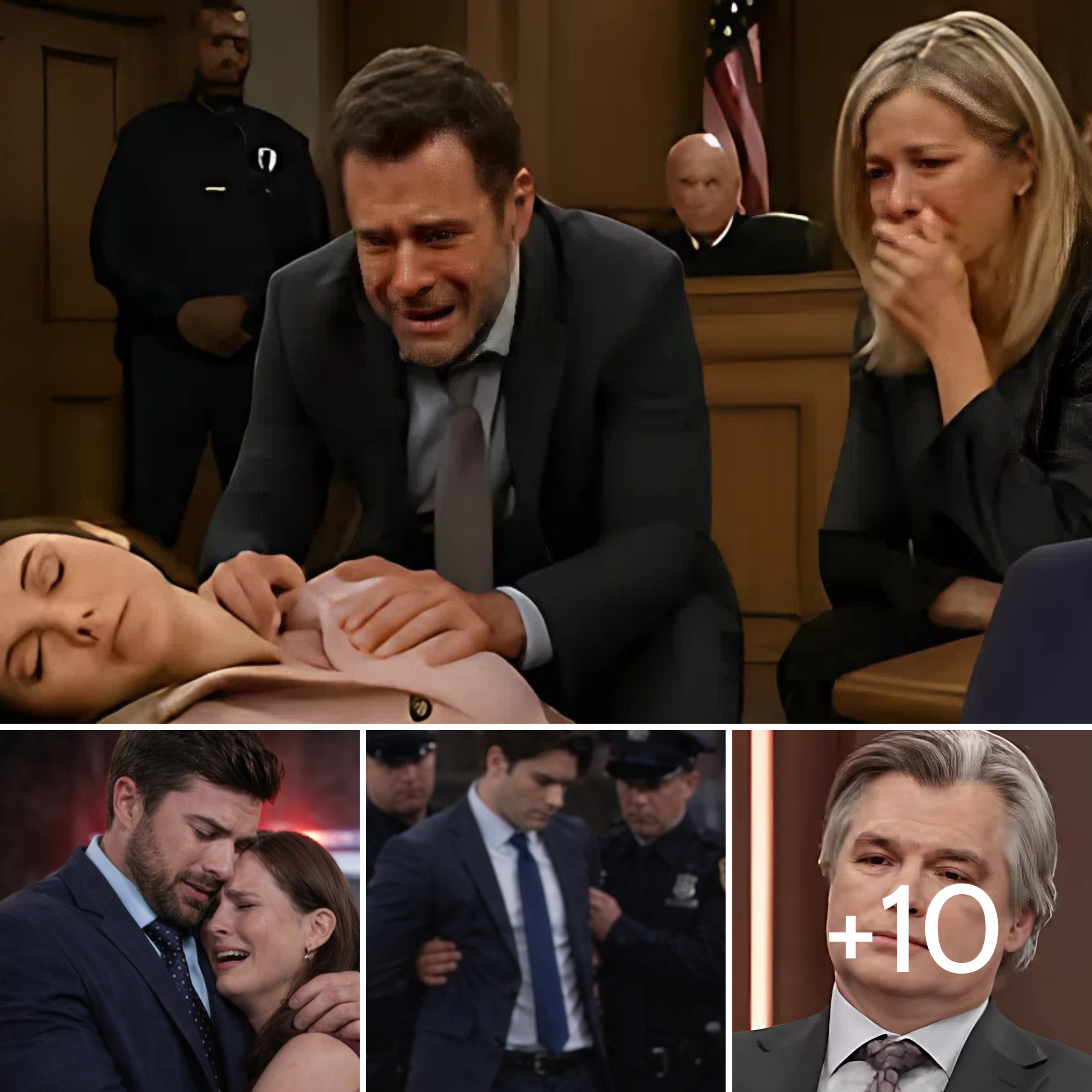
Perhaps This Is Why Chase Actively Targeted Michael! General Hospital Spoilers
Perhaps This Is Why Chase Actively Targeted Michael!
General Hospital Spoilers
General Hospital spoilers suggest the town has boiled Chase’s motives down to something simple: he loves Willow. Case closed. Except that explanation only covers the surface, and it’s the cleanest part of a very messy truth. Loving someone who has already moved on has become a pattern for Chase, but Willow is different. Their history isn’t a footnote—it’s a wound that never fully healed.
Willow once loved Chase fiercely, back when his life still looked orderly and promising. That love carried her through the moment everyone whispered about: Chase poisoned, dying, time running out. Willow married him then, not out of forever-love, but out of compassion. It was a mercy marriage, a promise meant to comfort a man she believed was leaving this world. When Finn saved Chase and gave him his life back, everything changed—except Chase never accepted that the marriage had been about kindness, not destiny. Willow annulled it, honest and brutal, because her feelings didn’t magically return just because he survived.
Chase, however, stayed trapped in that moment. He clung to the vows, the memory of being chosen, and convinced himself it meant something permanent. Meanwhile, Willow evolved. Motherhood, loss, fear, and survival hardened her. Her children became her oxygen. Chase either didn’t see that—or decided it fit his fantasy anyway.
When Drew entered Willow’s life, Chase dismissed him as temporary noise. In his mind, Willow didn’t truly love Drew. That role belonged to Chase. So when Drew was shot and Willow came under suspicion, Chase stepped in aggressively—not just as a cop, but as the man who believed he was meant to protect her.
This is where Michael Corinthos becomes more than a suspect. In Chase’s head, Michael is the obstacle. If Michael goes down for shooting Drew, everything rearranges itself neatly: Willow gains control of her life, custody issues simplify, and Chase becomes the steady man who stayed when everything else fell apart. Chase tells himself it’s about justice, about the kids’ safety, about doing the right thing—but beneath that is something far less noble. He wants a future that only exists if Michael is removed from the picture.
Brook Lynn senses the shift long before anyone names it. Chase’s restlessness, his growing resentment, his fixation on adoption and “real family” expose cracks in their marriage. Every time she hesitates, Chase hears rejection. Divorce starts to feel less like failure and more like correction—rerouting his life back to where he believes it should have gone.
As the investigation tightens, Chase nudges evidence, fills gaps with confidence, and convinces himself he’s following patterns rather than shaping them. He believes Michael is capable of violence. He believes Michael has escaped consequences before. And he believes the world would be better if Michael finally paid.
Willow never asks Chase to destroy Michael. She doesn’t need to. Chase interprets her fear, her silence, her stress as permission. He leans into the image everyone trusts: the noble cop, the almost-husband, the man who would do anything for family—even if that family isn’t technically his.
The danger is that Chase believes his own story. He stops seeing choices and starts seeing inevitability. Michael feels it too—the pressure, the sense that the ending has already been written. And as Port Charles begins to whisper, Chase takes it as confirmation, not warning.
Whether Chase is saving Willow or quietly trapping her is the question hovering over everything. But one thing is clear in these spoilers: Michael wasn’t targeted by accident. He was targeted by design—and Chase is betting that by the time anyone questions his motives, the story will already feel complete.