The Three Villains Who Appeared In Anna’s Cell Were Real! General Hospital Spoilers
The Three Villains Who Appeared In Anna’s Cell Were Real! | General Hospital Spoilers
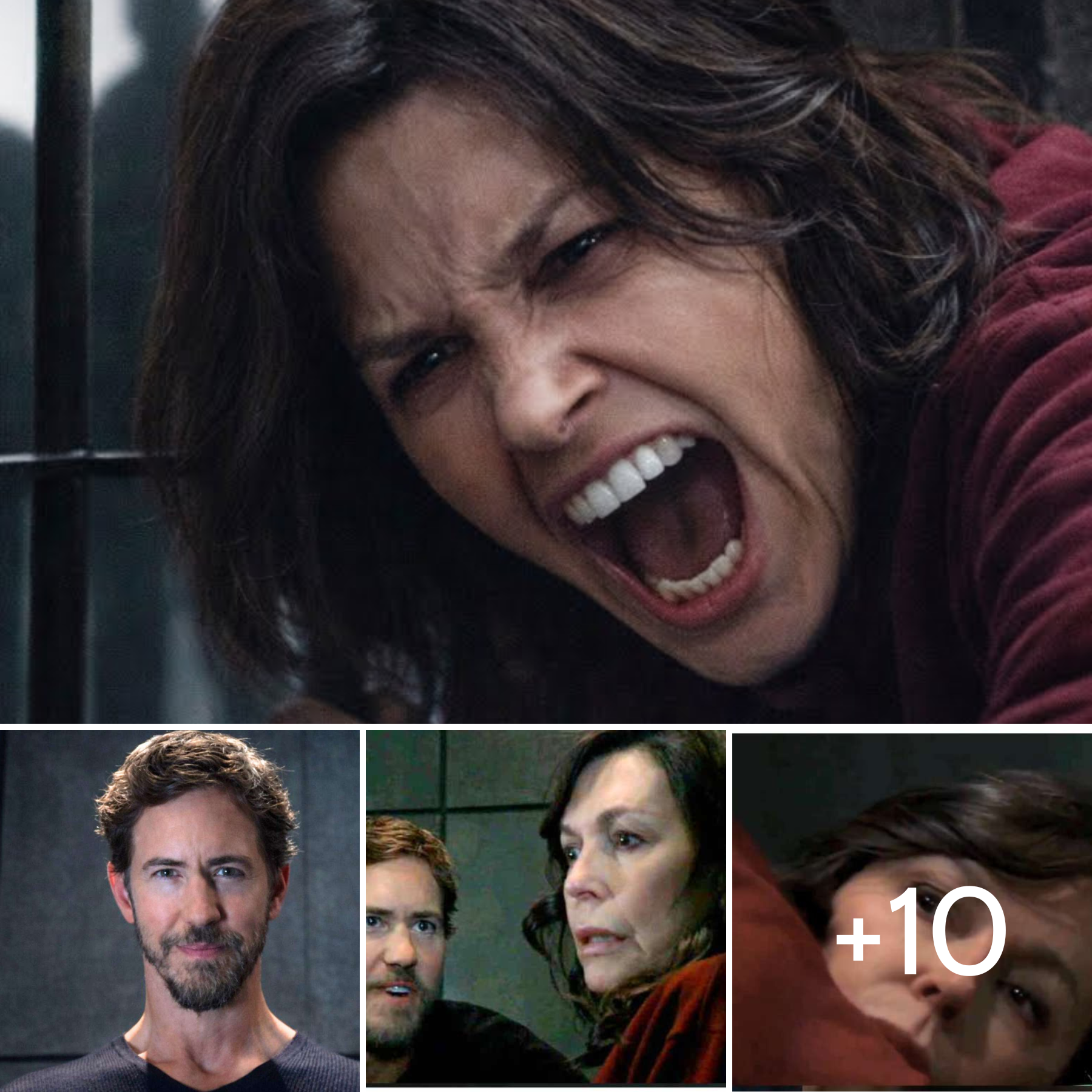
General Hospital spoilers tease a chilling and reality-bending ordeal for Anna Devane as she awakens in captivity and comes face to face with figures she believed were buried in the past. Disoriented, weakened, and drugged into near helplessness, Anna opens her eyes to an impossible sight: Peter August standing smugly at her bedside, Cesar Faison looming with his familiar, suffocating menace, and Liesl Obrecht watching silently with an expression Anna can’t decipher. The scene feels too sharp, too detailed to dismiss as a simple hallucination, yet too impossible to accept without question.
Anna’s first instinct is denial. Her body has been pushed to its limits by confinement and chemical restraint, and she knows how trauma can fracture perception. It would make sense for her mind to conjure the faces of her greatest enemies—ghosts shaped by fear and exhaustion. Peter is dead. Faison was presumed dead. And Liesl, though alive, has no reason to be here. But the figures don’t fade. They don’t blur or vanish when Anna blinks. They stand solid, deliberate, and disturbingly present, daring her to accept what she’s seeing.
Faison’s presence rattles her the most. Men like him rarely meet clean endings, and the idea that he may have survived has always lingered at the edge of possibility. If he were alive, hiding and rebuilding, choosing the perfect moment to reappear, this would be exactly how he’d do it—cornering Anna when she’s powerless, savoring her fear. Peter’s appearance only deepens the nightmare. He speaks, reacts, and warns her, claiming that his father is far more dangerous than she ever realized. The irony is almost laughable: Peter, architect of so much chaos, positioning himself as a messenger of caution.
Anna tries to anchor herself in logic, but Port Charles has taught her that death is rarely final. Nathan. Britt. Both were believed gone forever, only to return in shocking, undeniable ways. Their resurrections were real, not rumors. If they could survive, why not Peter? Why not Faison? That thought terrifies Anna more than anything else in the room, because it suggests a pattern—one that may have been carefully engineered.
Her focus shifts to Liesl Obrecht. Brilliant, unpredictable, capable of great love and ruthless decisions, Liesl has the skills and resources to make the impossible possible. A dark theory takes shape: what if Liesl helped hide Faison and Peter? What if she played a role in saving Nathan and Britt as well, manipulating events and emotions while keeping the truth buried? The implications are staggering. Liesl’s posture, her calm, her calculated responses don’t read like confusion. They read like control.
Still, Anna knows how close this thinking skirts paranoia. She’s imprisoned, vulnerable, surrounded by enemies—real or imagined. Yet the clarity of their behavior unsettles her. Peter reacts too precisely. Faison radiates patience and authority. Liesl knows more than she admits. Whether this is psychological warfare or a horrifying reality, Anna realizes she cannot afford passivity. She begins to observe, analyze, and memorize every detail.
If she survives, Anna vows to revisit every unanswered question—about Nathan, Britt, Liesl, and the men who refuse to stay dead. This encounter is changing her. It forces her to confront how much power her past still holds. Whether she’s facing resurrected villains or the limits of her own mind, one truth is clear: the answers won’t come gently. And whatever the truth is, it has the power to either save Anna Devane—or destroy her.